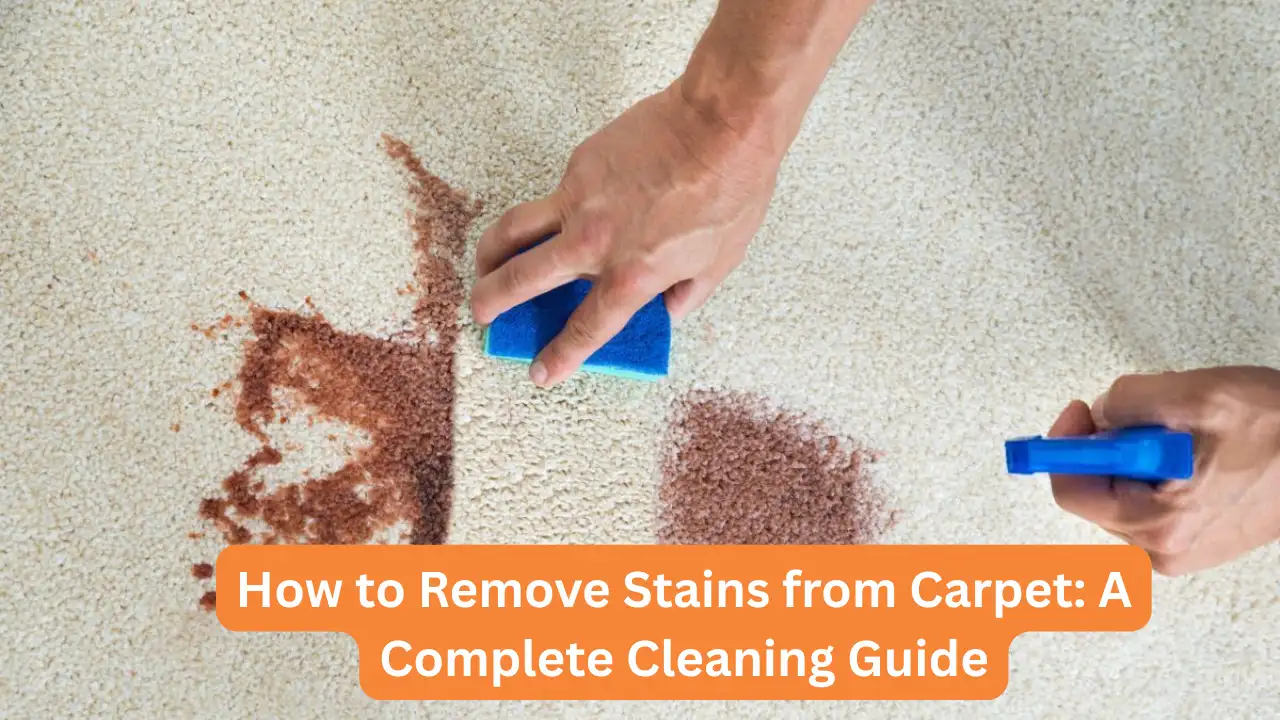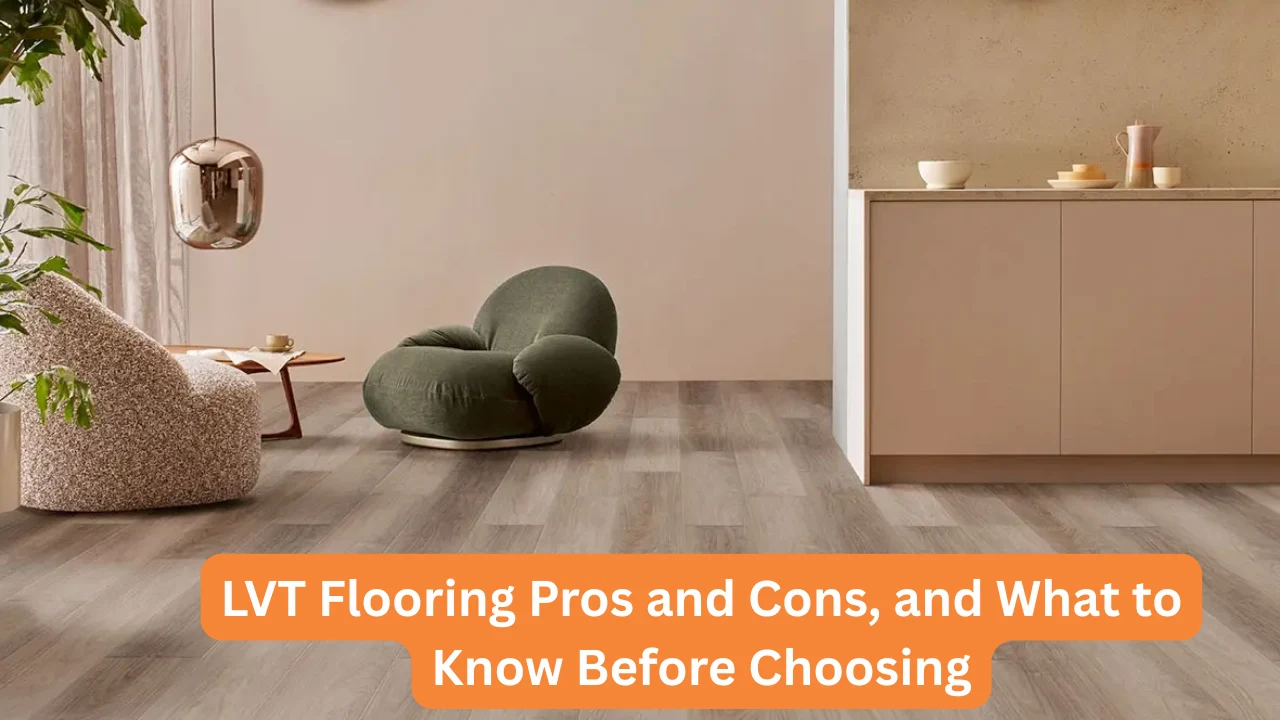
You are going to choose floors for your place but it will be quite difficult. You need a flooring that looks good or can handle everyday use well while being in your budget range. There are many flooring choices but the best one in our opinion is the LVT flooring. These luxury vinyl tiles don’t feel or look like your traditional ceramic or porcelain tile flooring. They will have a design layer that mimics the look of wood, stone, concrete, or other materials. But the question is what the LVT flooring pros and cons, and what to know before choosing.
What Are LVT Flooring Pros and Cons?
LVT floors have multiple layers that are made from layering vinyl. The construction will include a backing layer, a printed decorative layer, and a protective wear layer. Sometimes these additional layers are designed to offer better stability, sound control, and comfort. The decorative layer is what gives the LVT its appearance. Advanced printing technology will let a manufacture to have detailed wood grains, stone patterns, and different textures.
Pros of LVT Flooring
These are some of the benefits of installing LVT floors into your homes and commercial spaces.
1. Wide Range of Designs
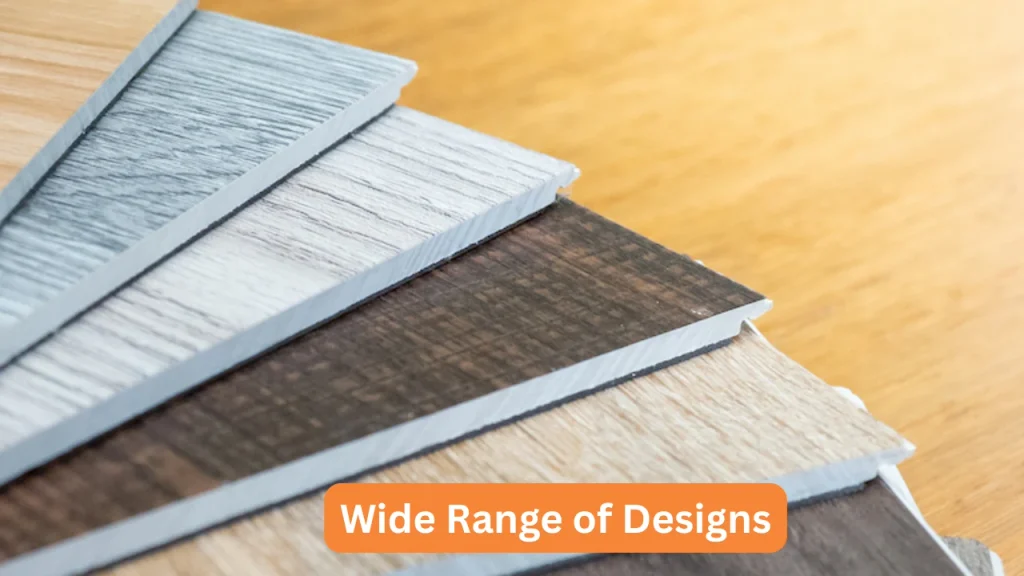
Amon the many great attractions of LVT, the one is its appearance. You can find designs that will look just like oak, walnut marble, limestone, and other natural materials. This will give a homeowner better freedom to look without using natural materials.
2. Good Resistance to Everyday Moisture
LVT is also more resistant to moisture compared to other wood-based flooring solutions. This makes them ideal for areas where there are occasional spills or damp cleaning are needed. Kitchens, entrance areas, and bathrooms are ideal for these kind of flooring material.
3. Easy Maintenance
LVT flooring is a solution that doesn’t need much daily care or maintenance. Regular sweeping or vacuuming will help remove the dust or grit while damp mopping will take care of everyday spills and marks. Unlike natural timber, it will not require sanding, polishing, refinishing.
4. Comfortable Underfoot
An LVT flooring will feel more comfortable in comparison to hardwood ceramic or stone surface. They are a resilient flooring solution which can make standing and walking much more pleasant. This will be effective for kitchens, retail environments, and offices where people have to spend much time on their feet. These floors come in acoustic or cushioned backing solution for better comfort and certain types of impact noise.
5. Suitable for Busy Areas
A quality LVT flooring is able to handle everyday traffic when you carefully select and install it. The wear layer is ideal with durable wear layers that offer better protection against scuff marks and abrasions. You can find the residential-grade floors and commercial-grade LVT floor tiles that you can assess separately.
Cons of LVT Flooring
Like every good flooring option with its benefits, there also happens to be many cons like the following.
1. Quality Varies Significantly
Not all LVT floors are made to be simple. There are low-priced products that have thin layers with weak locking systems. Their less realistic design or poor dimension stability will make them a pricey option as you would need to replace them sooner than expected.
2. Subfloor Preparation Is Important
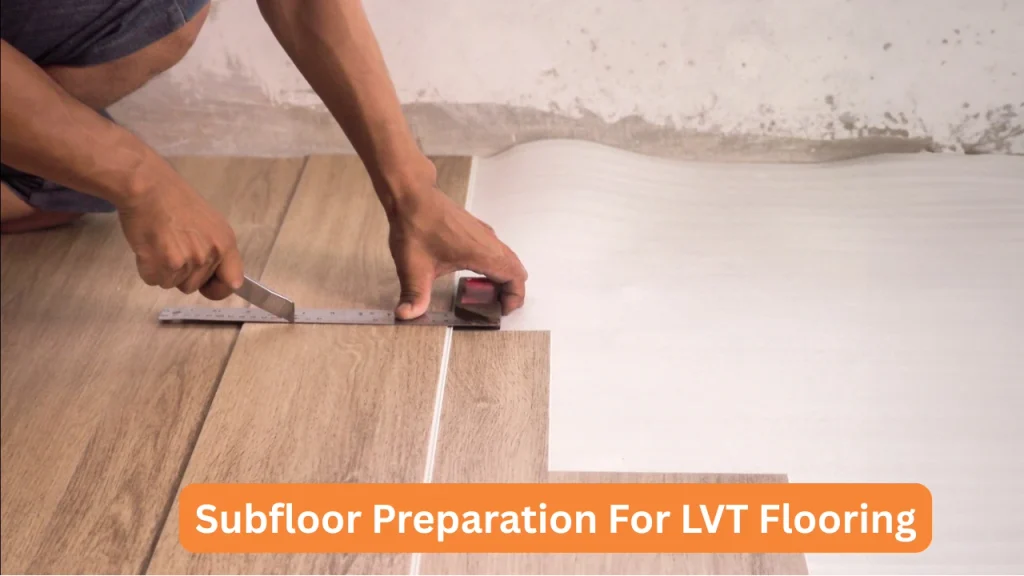
LVT floors are simple to install but the condition of the subfloor will matter a lot. Your floor finish will be effected if the surface is uneven, has cracks, moisture issues, and any tile imperfection. Glue-down LVT tiles will need a proper surface because imperfections will be visible through the floors.
3. Heavy Furniture Can Cause Problems
LVT is durable but not every indestructible as the heavy furniture will cause indentations when there are small contact points. Dragging the furniture across the floor surface will result in damages or scratches. You must use furniture pads and lift the furniture to move it around instead of dragging it.
4. Repairs May Be More Complicated
A damaged LVT plank or tile can be replaced individually which is quite useful but this replacement will need a proper fitting method. But for the glued-down LVTs, they will need proper cutting and better adhesive removal.
LVT vs Other Flooring Options
LVT is compared with other laminate, ceramic, or engineered wood floors. When compared with LVT, these floors offer better moisture resistance while laminate will provide better scratch resistance. Ceramic or porcelain tiles are harder but highly water resistant but they will feel colder and hard underfoot. Engineered wood will provide a real wood feel but t will stull require proper moisture control barrier and maintenance.
Where Does LVT Work Best?
LVT floors are a perfect choice for living rooms, hallways, offices, retail spaces, and other areas where you need a practical flooring solution. You can have them fitted in bathrooms and other wet areas that require a certain specific product and fitting system.
Final Thoughts
LVT floors will offer a visually pleasing combination of appearance, practicality, and ease of maintenance. They provide a wide selection of designs that mean you never have to sacrifice your style or everyday usability. But when you are choosing for the cheapest option or not giving proper care to subfloor preparation, those benefits are undermined. Before you buy these floors, you need to look beyond the pattern and check for wear layer, warranty, and the intended use. With the right product and the proper fitting preparation as well as installation; LVT can be a practical flooring solution.